| Quick AnswerMold growing behind drywall shows up through warning signs including persistent musty odors, bubbling or peeling paint, unexplained water stains, and allergy or respiratory symptoms that worsen in specific rooms, even when no visible mold is present. In Georgia’s humid climate, where indoor moisture can stay elevated for months, early detection can prevent serious structural damage and protect your family’s health. |
Visual Warning Signs of Hidden Mold Growth
Several visible indicators can suggest mold is growing behind drywall surfaces, even before any growth breaks through to the surface. Knowing what to look for gives you the advantage of early detection.
Discoloration and Staining on Walls
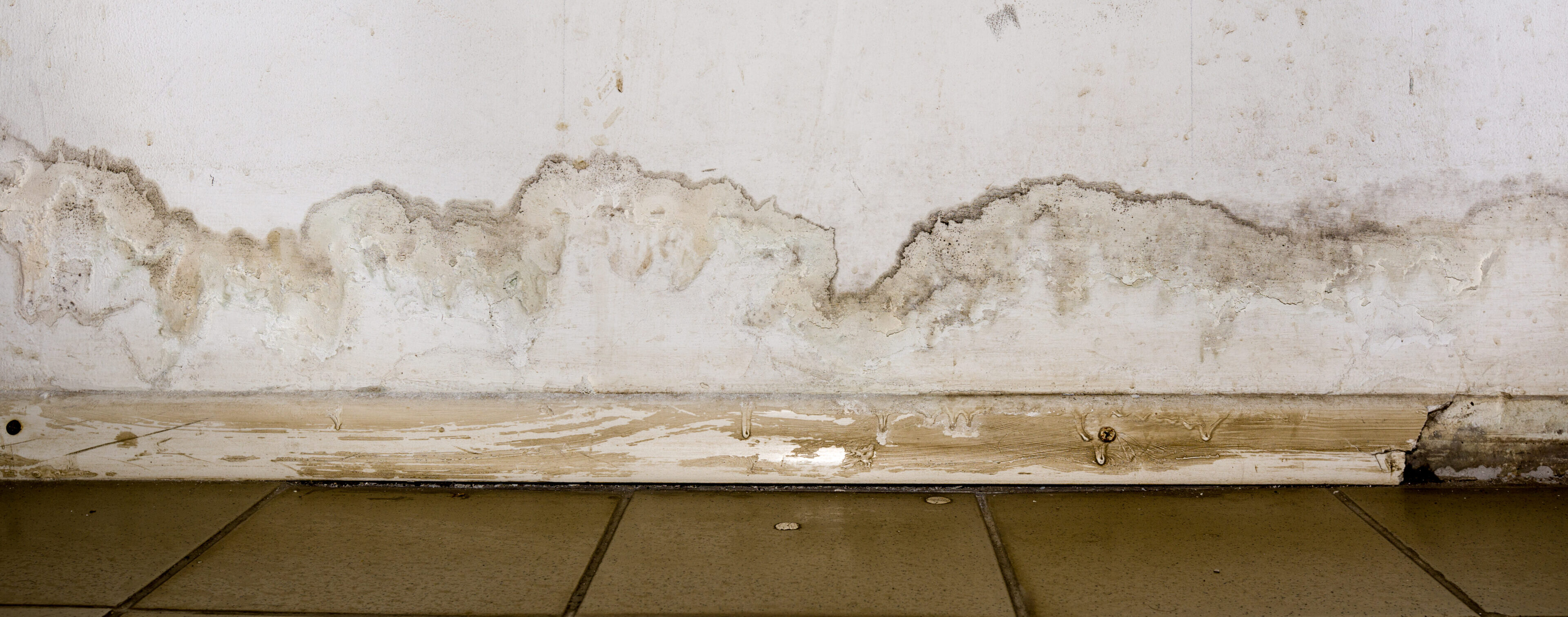
Discoloration or staining on walls, particularly near plumbing fixtures, windows, or exterior walls, often indicates the moisture conditions that allow mold to develop inside wall cavities. Even light yellowing or faint tan staining can signal water intrusion behind the surface that warrants professional investigation.
Peeling, Bubbling, or Warping Paint or Wallpaper
Paint or wallpaper that bubbles, peels, or warps without an obvious cause frequently signals moisture accumulation inside walls. When moisture from mold growth or an underlying leak reaches the wall surface, it disrupts adhesion and creates these visible distortions. This is a particularly reliable indicator when it occurs near plumbing or in rooms with high humidity.
Water Stains, Including Old or Dry-Looking Ones
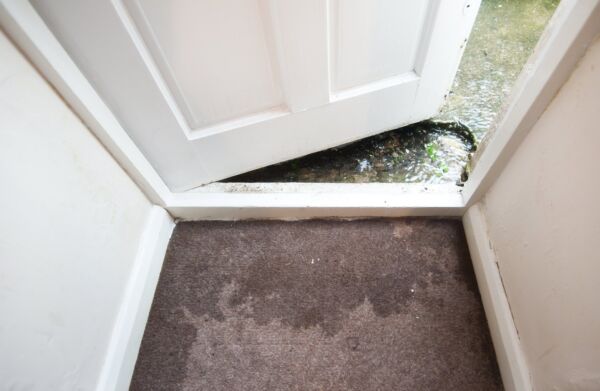
Water stains that appear dry are not necessarily inactive. Old stains indicate previous moisture intrusion that may have already created conditions for mold to establish itself within wall cavities. Any water stain without a known, fully corrected cause warrants further professional investigation, even if the stain looks old.
Dark Spots or Breakthrough Growth
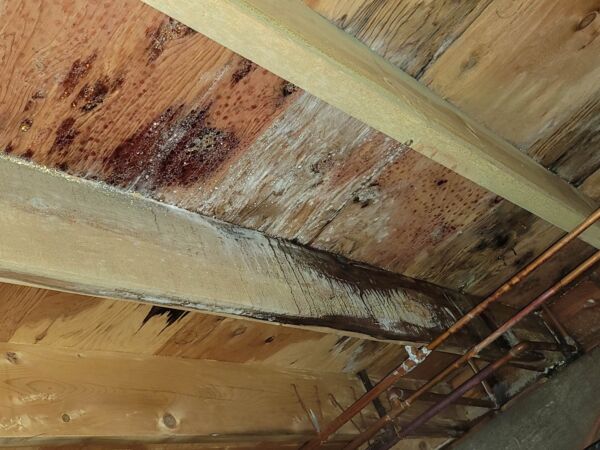
Small black, green, or brown spots appearing through paint, especially in bathrooms, basements, or areas with poor ventilation, may represent mold pushing through from behind the wall surface. These spots are commonly accompanied by a musty odor and often indicate more extensive growth behind the visible surface.
White, Chalky Residue (Efflorescence)
White, chalky deposits on walls or foundation surfaces indicate water moving through building materials, creating conditions that support mold development. While efflorescence itself is not mold, it is a reliable signal of ongoing moisture movement that warrants professional assessment.
Physical Symptoms and Environmental Clues
Your home’s environment and your family’s physical responses can provide equally important signals about hidden mold contamination.
Persistent Musty Odors
A musty, earthy smell without a visible source is one of the strongest indicators of hidden mold growth in wall cavities. These odors often intensify in humid weather, after rainfall, or when heating and cooling systems circulate air through contaminated spaces. In Georgia, where summer humidity drives indoor moisture levels higher for months at a time, musty odors deserve immediate attention rather than simply airing out the affected room.
Health Symptoms That Improve Away from Home
Unexplained increases in allergy symptoms, respiratory irritation, headaches, or fatigue that improve when you leave a specific room or your home may indicate exposure from hidden mold. While mold is not always the cause of such symptoms, the correlation between symptom location and a particular space is worth investigating professionally.
Indoor Humidity Above 60 Percent
The EPA recommends maintaining indoor humidity below 60 percent, ideally between 30 and 50 percent, to prevent mold growth. Excessive humidity, condensation forming on windows or walls, or consistently damp-feeling rooms all create conditions where mold behind drywall is actively developing. During Georgia summers, when outdoor humidity regularly climbs above 85 percent, poorly ventilated rooms are especially vulnerable.
Why Georgia Homes Are Especially Vulnerable to Hidden Mold
Georgia ranks among the top 10 states most at risk for residential mold contamination in the country. Studies indicate that homes in humid climates can harbor significantly more mold species than those in drier regions, and Atlanta’s approximately 50 inches of annual rainfall creates frequent moisture intrusion opportunities throughout the year.
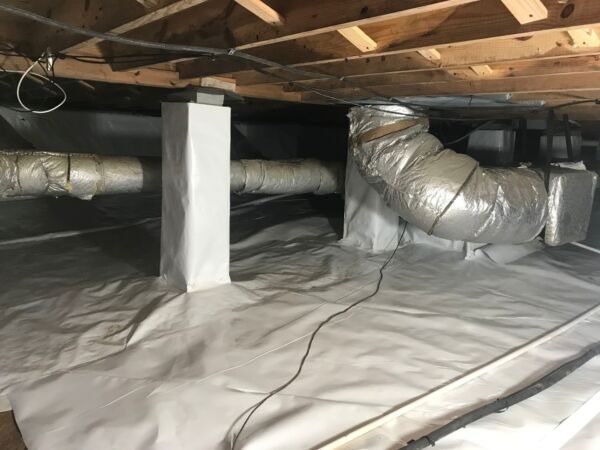
The average Georgia home was built in 1985, before sealed crawl space systems, moisture-resistant drywall, and modern vapor barriers became standard construction practice. Many older homes in Newnan, Peachtree City, and surrounding communities have existing conditions that make hidden mold especially likely: unventilated crawl spaces, aging plumbing, and original construction materials that absorb and hold moisture readily.
Nationally, studies have found that roughly 47 percent of homes show some signs of mold or moisture damage. In humid Southern states like Georgia, where seasonal moisture conditions persist for many months, routine awareness and early inspection are an important part of responsible homeownership.
Professional Detection and Assessment Methods
Professional mold detection goes well beyond what a visual inspection can reveal. Licensed remediation specialists use a range of technology to find what eyes alone cannot detect. The table below summarizes the primary methods used by professional mold inspectors in the Newnan and Peachtree City area.
| Method | What It Detects | Best For |
| Thermal Imaging Camera | Temperature variations indicating moisture behind surfaces | Scanning walls without opening them; fast, non-invasive |
| Moisture Meter | Actual humidity levels inside wall cavities and materials | Confirming elevated moisture content in specific areas |
| Air Quality Sampling | Airborne mold spore concentration and species | Scientific confirmation; guides remediation strategy |
| Surface Swab Testing | Mold species on visible staining or suspected growth | Confirming whether discoloration is active mold growth |
| Endoscopic Camera | Direct visual inspection inside wall cavities | Definitive confirmation without major wall demolition |
Thermal imaging cameras detect temperature variations in wall surfaces that indicate moisture accumulation behind drywall. By mapping heat differences, with cooler, damper areas showing distinctly on the display, technicians can identify problem zones without opening walls and can scan an entire room in minutes.
Air quality sampling captures airborne mold spores for laboratory analysis, identifying both concentration and species present. Surface swab testing of visible staining confirms whether discoloration represents active mold growth. When definitive confirmation is needed, endoscopic cameras can be inserted through minimal access holes to directly observe conditions inside a wall cavity, providing visual confirmation without the cost and disruption of opening entire wall sections.
When Professional Intervention Becomes Essential
Hidden mold behind drywall typically requires professional assessment and remediation to ensure complete removal and prevent recurrence. DIY approaches often fail to reach the full extent of contamination and miss the underlying moisture sources that allowed mold to establish in the first place.
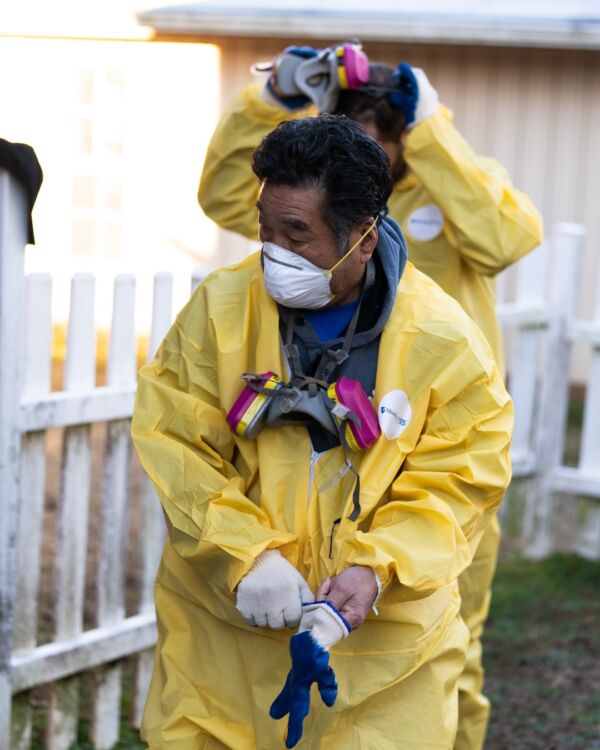
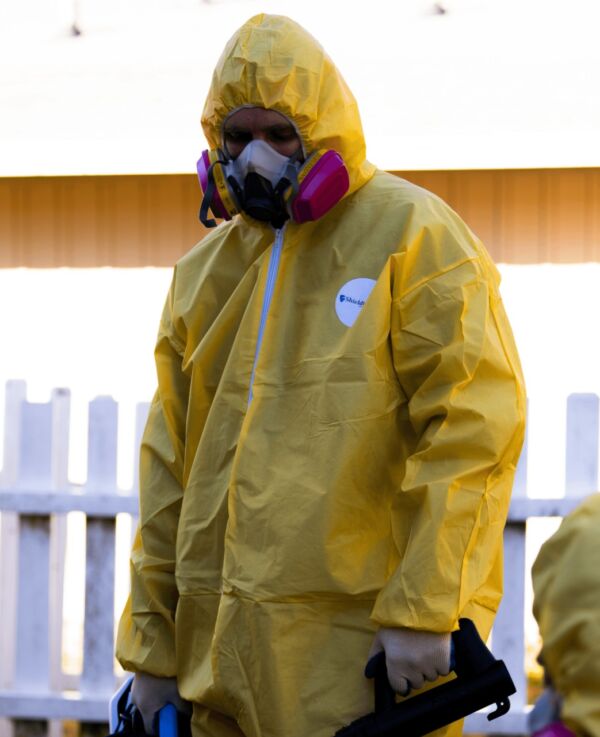
Professional mold remediation in Newnan, GA, and Peachtree City, GA includes proper containment to prevent spore spread during removal, complete removal of affected materials, and treatment of structural components to prevent regrowth. Attempting to remove hidden mold without proper training and equipment risks cross-contamination throughout your home, incomplete removal, and potential exposure to mold species that pose serious health risks if improperly disturbed.
Frequently Asked Questions About Mold Behind Drywall
Q: What does mold behind drywall smell like?
A: Mold behind drywall typically produces a musty, earthy odor, sometimes described as similar to damp soil or decaying wood. The smell often intensifies during humid weather, after rainfall, or when the HVAC system is running and circulating air from contaminated wall cavities.
Q: How can I check for mold behind my walls without removing drywall?
A: A professional mold inspector can use thermal imaging cameras, moisture meters, and air quality sampling to detect hidden mold with minimal disruption to your walls. Endoscopic cameras can provide direct visual confirmation through a small access hole if needed. DIY mold test kits can identify airborne spores but cannot pinpoint hidden locations accurately.
Q: How quickly can mold grow behind drywall after water damage?
A: Under the right conditions, including moisture, warmth, and organic material, mold can begin growing within 24 to 48 hours of water exposure. This is why prompt professional drying and assessment after any water intrusion event, such as a flooding incident, pipe leak, or roof leak, is critical to preventing mold from taking hold.
Q: Is mold behind drywall dangerous?
A: All mold can cause or aggravate allergy and respiratory symptoms in sensitive individuals. Stachybotrys chartarum, commonly called black mold, produces mycotoxins associated with more serious health effects when present in significant quantities. Professional testing identifies the species present so that the appropriate response can be determined.
Q: What does a professional mold inspection involve?
A: A professional mold inspection typically includes a visual assessment of the home, thermal imaging scans of walls and ceilings, moisture meter readings of suspect areas, and air quality or surface sampling as warranted. The inspection produces a detailed report identifying contamination locations, species if sampled, and recommended next steps. Accurate diagnosis prevents both unnecessary remediation work and the health and structural risks of leaving actual contamination unaddressed.
Protect Your Home with Expert Mold Detection Services
Don’t wait for hidden mold to cause extensive damage or compromise your family’s health. Warrior Restoration provides comprehensive mold detection and professional mold remediation services throughout Newnan, Peachtree City, and the greater Atlanta area. Our experienced technicians use advanced detection methods, including thermal imaging, air sampling, and moisture analysis, to identify and eliminate hidden mold growth while preventing future contamination.
Contact Warrior Restoration today to schedule your professional mold assessment and protect your most important investment.